Our utility-scale portfolio spans ground-mount photovoltaic power stations from tens of megawatts to projects exceeding one hundred megawatts DC — delivered with Victorian grid knowledge, planning discipline and construction interfaces that protect lender and community expectations.
Portfolio overview
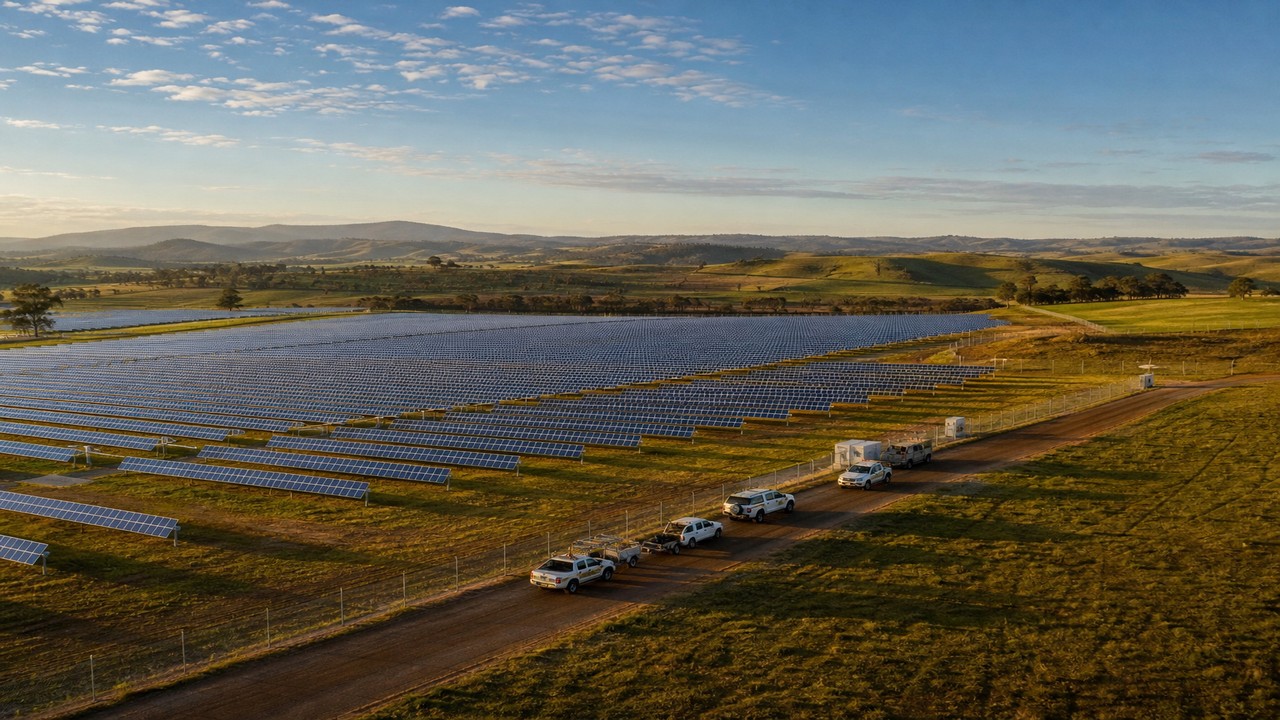
Utility farms form the backbone of Solar Powerstations Victoria’s pipeline. We originate sites with defensible solar resource, manageable environmental constraints and realistic connection pathways; we then carry projects through planning, limit equation acceptance, financial close, EPC and AEMO registration. Representative delivery includes Goulburn Sunridge at 112 MW DC and regional programmes in the Goulburn Valley, Murray irrigation districts and western grain country.
Each farm is documented with stage gates suitable for institutional diligence: technical studies, referral authority correspondence, grid application records and commissioning evidence. We do not list nameplate capacity without clarifying export limits, loss assumptions and registration status.
Origination and land partnerships
Landowner partnerships begin with transparent screening — flood, bushfire, cultural heritage, native vegetation and agricultural continuity. Option and lease structures respect existing operations; where agrivoltaics is viable, panel height and drainage are designed before planning submission rather than retrofitted after approval.
- GIS-led site screening and constraint mapping
- Land access, option and lease negotiation support
- Community benefit frameworks proportionate to scale
- Dual land-use pilots where grazing or cropping continues
Planning and environmental compliance
Victorian utility projects navigate planning schemes, flora and fauna offsets, glare and traffic assessments and bushfire mitigation measures integrated into layout. Our development team maintains referral authority registers and responds to conditions with traceable close-out evidence — critical when assets trade or refinance.
Grid connection and commissioning
We manage DNSP and TNSP applications, dynamic studies, protection settings and SCADA integration. Staged energisation and witness testing verify performance against registered plant parameters before market participation. See also grid connection reform and utility-scale services.
EPC delivery and quality
Construction management covers civil works, trackers or fixed-tilt structures, DC collection, inverters, HV export and monitoring. Procurement favours tier-one equipment with Australian warranty serviceability. Hold points, independent inspection and non-conformance processes protect owners through practical completion and defects liability.
Hybrid augmentation and storage
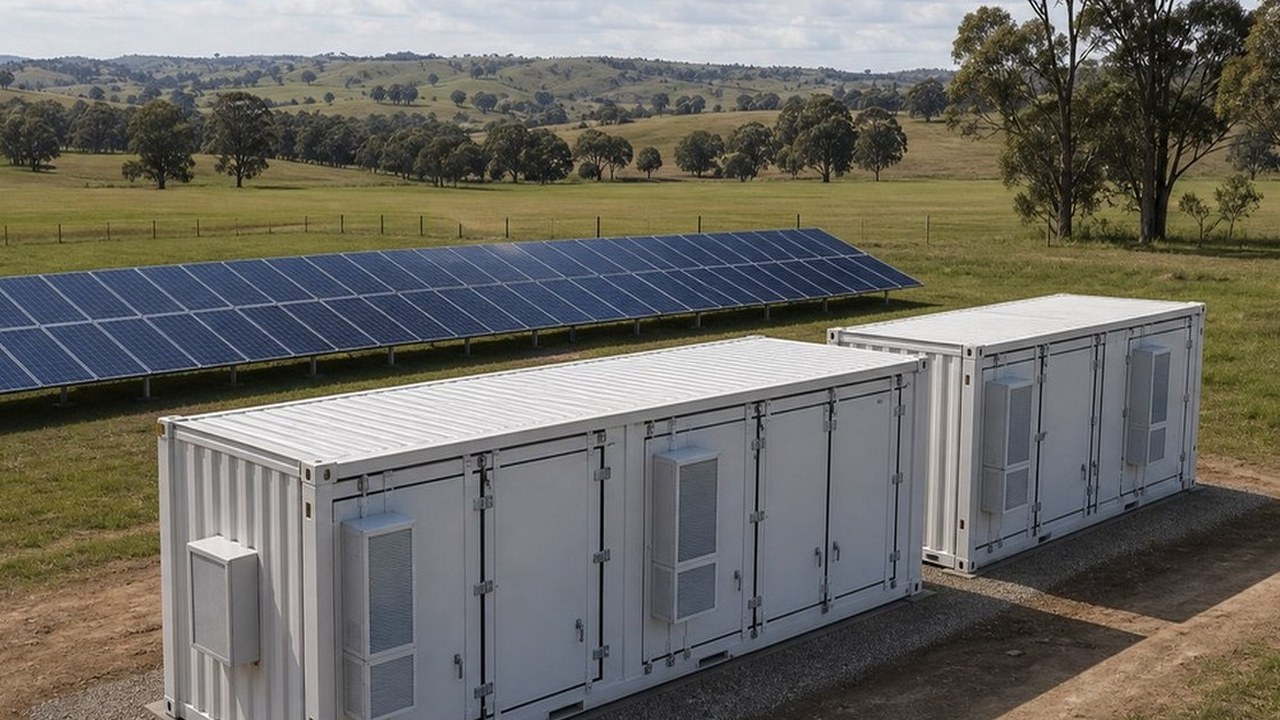
Co-located battery energy storage can follow or accompany farm energisation. Our hybrid team coordinates DC coupling, revenue stacking analysis and separate connection applications where required — exemplified by the Wimmera Hybrid Storage Hub programme linking 50 MW solar with 100 MWh BESS.
Operations and asset life
Post-energisation we offer O&M aligned to owner reporting: vegetation management, inverter and tracker response, performance ratio analytics and warranty claims. Operating manuals and SCADA handover protocols are prepared for internal or third-party asset managers.
Investor and landowner engagement
Institutional investors receive diligence packs with realistic yield assumptions and grid risk disclosure. Landowners with compatible holdings should contact connect@solarpowerstations.net or use request a quote. Phone 03 8376 0881. 806/176 Wellington Parade, East Melbourne VIC 3002.
Related case studies
Goulburn Sunridge Solar Farm · Murray Plains Agrivoltaics Pilot · Wimmera Hybrid Storage Hub. Browse the full project pipeline and delivery process.
Frequently asked questions
What defines utility-scale in Victoria?
Typically ground-mount programmes at tens to hundreds of MW DC, transmission or distribution connected, with full development and EPC scope.
How long from feasibility to energisation?
Often multiple years—connection queues and planning drive critical path. We publish realistic bands, not marketing timelines.
What land issues arise most often?
Native vegetation offsets, access roads, bushfire and neighbour consultation. Early surveys reduce redesign during construction.
Related projects
Quick enquiry
Quick enquiry —we respond within two business days. For full site details use request a quote.
Discuss a utility-scale site
Landholding, option position or connection interest — structured feasibility response.