112 MW DC utility-scale solar in regional Victoria—delivered with connection queue management, native vegetation compliance and multi-contractor interface control by Solar Powerstations Victoria.
Challenge
Energising on schedule required simultaneous progress on DNSP studies, biodiversity offsets and civil works across undulating terrain—any slip cascaded into a lost construction season.
Solution
We sequenced studies, locked layout only after limit export clarity, and ran integrated commissioning with AEMO registration milestones tracked alongside EPC completion.
| Capacity | 112 MW DC / 95 MW AC |
|---|---|
| Location | Goulburn region, Victoria |
| Role | Development coordination & EPC |
| Connection | Transmission-connected export |
| Status | Operational |
Challenge
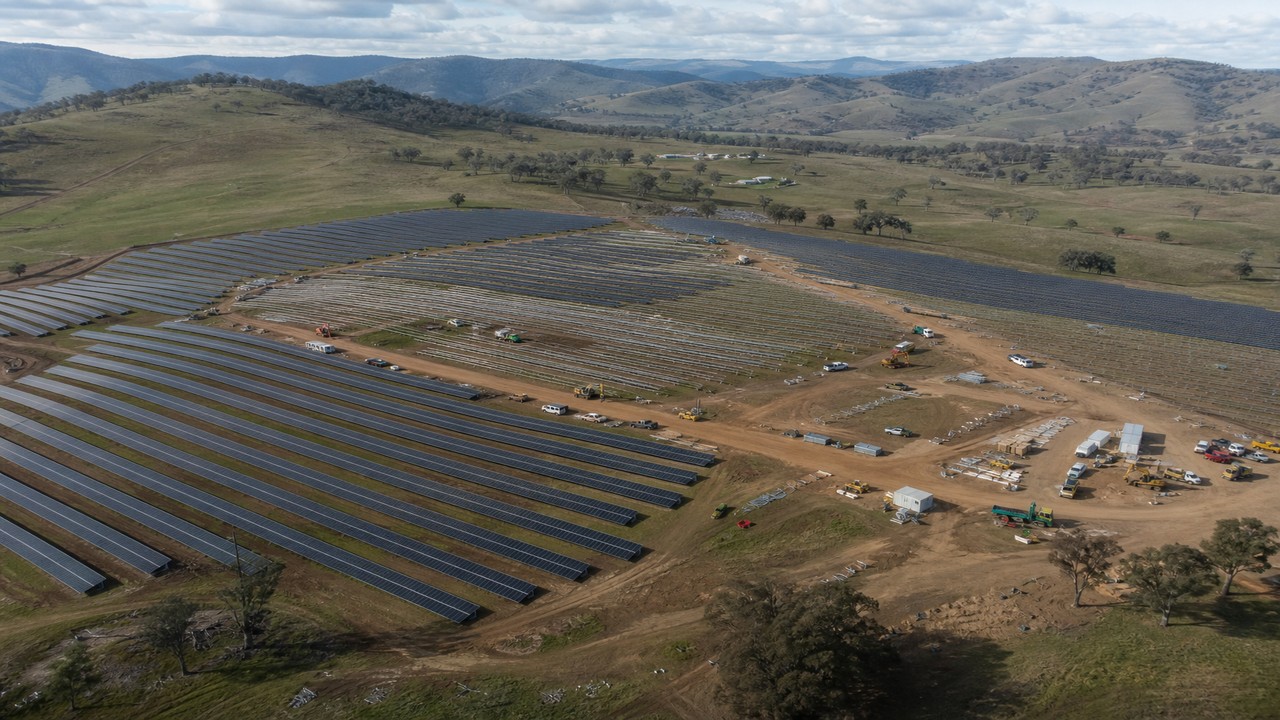
Sunridge sits in the utility-scale tier where marginal loss factors, protection settings and export limits define bankability. The site’s topography increased DC collection complexity and construction access risk. Native vegetation and bushfire overlays constrained array blocks and haul routes.
Multiple EPC packages and owner’s engineers required a single source of truth for interface dates—particularly where HV works depended on third-party transmission availability.
Our approach
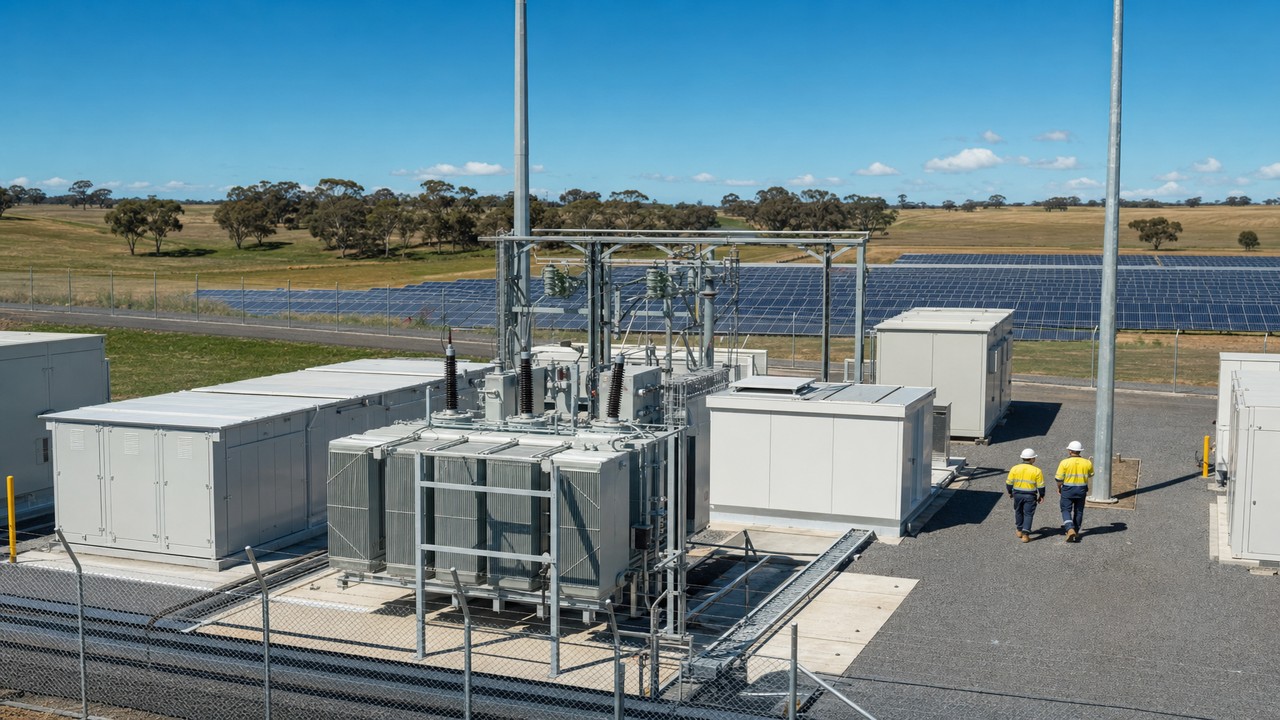
We led development coordination and EPC delivery including HV export design, substation integration and vegetation offset procurement aligned to planning conditions.
Commissioning was staged with DNSP witness tests and AEMO registration data prepared before hot works completed. SCADA points required for market participation were specified at design stage.
Outcomes
The farm registered within the programme band agreed with investors. Community benefit reporting and operations manuals were delivered at handover. Performance monitoring confirmed expected performance ratio bands in the first operational year subject to network curtailment events documented transparently to owners.
Technical resolution detail
Protection coordination required iterative fault studies as array blocks were finalised. We modelled reverse power flow scenarios and agreed settings with the DNSP before energisation. DC cable routing on slopes demanded engineered trench profiles and erosion controls validated by geotechnical review.
Vegetation offsets were procured against measurable criteria with monitoring obligations embedded in the land management plan. Construction traffic management plans were updated seasonally for harvest windows on neighbouring properties.
Measured results
- Energisation within the investor programme window after DNSP witness testing
- Performance ratio within modelled band in year one, with curtailment logged against network events
- Zero lost-time injuries across peak construction manpower
- Planning conditions closed with auditable offset and community reporting
Project FAQ
What was the main connection challenge?
Simultaneous DNSP studies, biodiversity offsets and civil works on undulating terrain—any slip threatened a lost construction season.
How was vegetation managed?
Offsets procured against measurable criteria with monitoring embedded in the land management plan.
What were key outcomes?
Energisation within investor programme window; performance ratio within modelled band in year one.
Explore related work
Discuss your project
Share site or portfolio context for structured assessment.