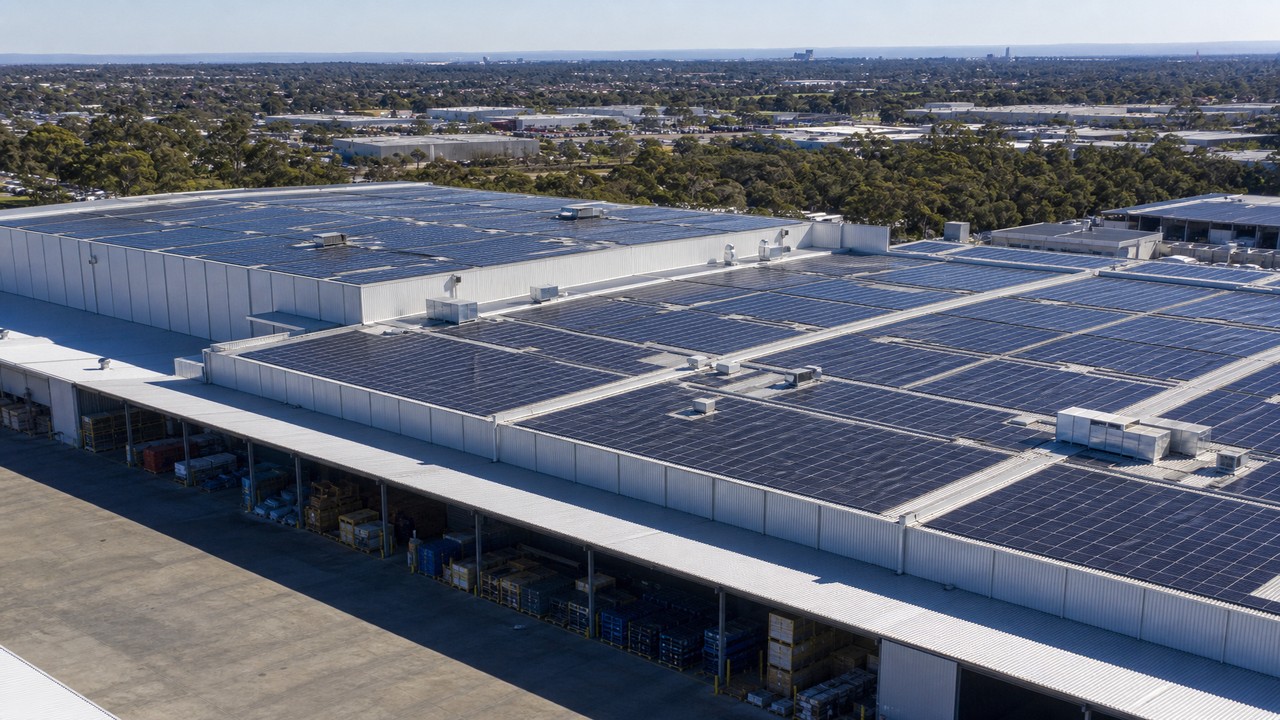
4.8 MW across three manufacturing facilities—structural proof, production continuity and retailer-aligned metering delivered under live industrial operations.
Challenge
Hosts could not tolerate unplanned shutdowns; roof loads, fall-arrest integration and shift patterns dictated every installation sequence.
Solution
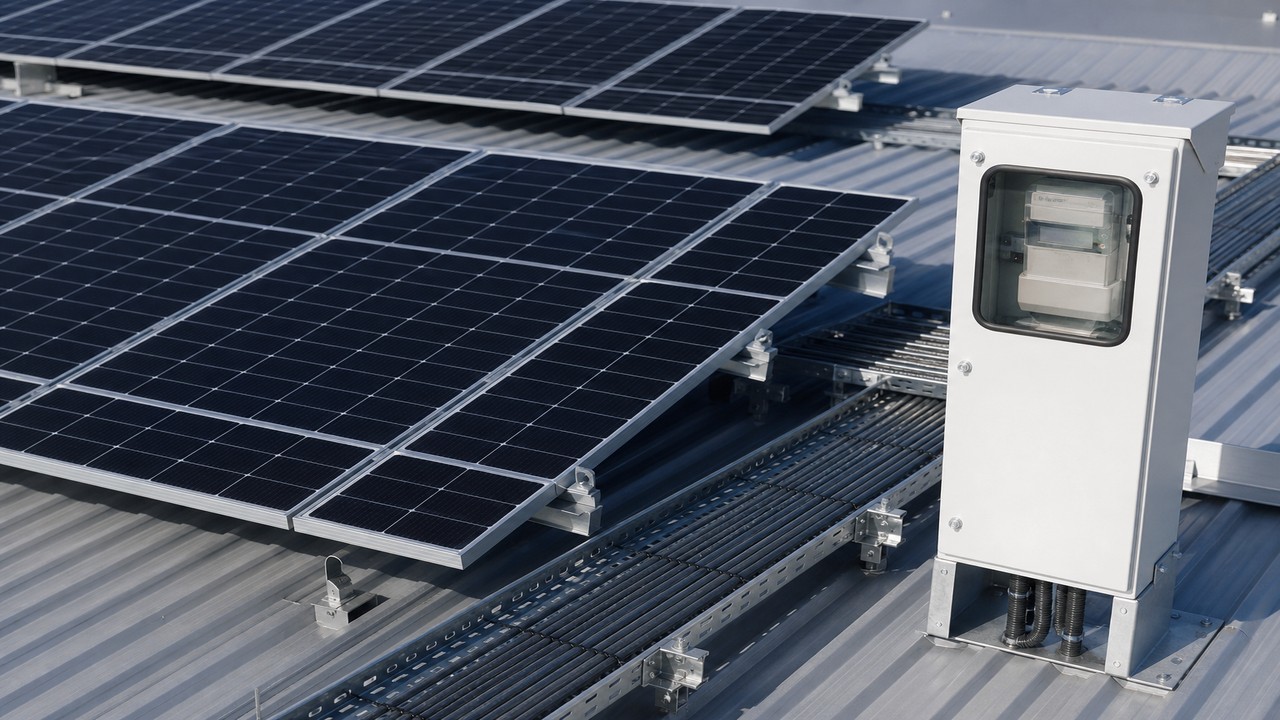
Phased EPC with thermal imaging, structural sign-off and safety officers embedded on site—export metering reconciled with retailer contracts.
| Capacity | 4.8 MW total |
|---|---|
| Sites | 3 manufacturing facilities |
| Location | Latrobe Valley, Victoria |
| Role | Commercial EPC |
| Status | Operational |
Challenge
Three Latrobe Valley manufacturing sites required simultaneous structural assessment, electrical design and safety integration with existing fall-arrest and crane zones. Peak production shifts could not be interrupted without contractual penalties.
Our approach
We staged crews by bay, coordinated lockout-tagout with site engineers, and verified membrane warranties after penetrations. Export limits were modelled against actual load profiles and DNSP settings.
Outcomes
Portfolio energised in phases with abatement reporting packages for sustainability disclosures. Hosts report predictable savings bands and clear O&M escalation paths.
Technical resolution detail
Structural engineers certified increased loading per bay before modules were lifted, with as-built surveys reconciled to design assumptions. We integrated inverter locations to minimise DC homerun length while preserving crane corridors and fall-arrest anchor paths required under host WHS rules.
Export limitation settings were programmed to match DNSP approvals and actual load curves, avoiding nuisance trips during start-up of heavy plant. Penetration details were documented for membrane warranty purposes and handed to facilities management with labelled roof plans.
Measured results
- 4.8 MW operational across three sites with phased energisation aligned to host shutdown windows
- Zero recordable injuries during rooftop works across peak manpower
- Export and self-consumption split verified against retailer settlement data in first quarter
- Defects liability items closed within contractual periods with digital punch-list tracking
Lessons for future industrial portfolios
Bay-by-bay sequencing prevented production conflicts; hosts now specify similar staging in capital plans for phase-two roofs. Structural sign-off templates developed on this portfolio are reused with site-specific adjustments rather than copied blindly.
Portfolio governance and reporting
Multi-site hosts benefit when export limits, retailer settlement and internal charge-backs are agreed before energisation. We configured consolidated dashboards so facilities managers see per-plant performance without waiting for quarterly PDFs, and finance teams can reconcile DNSP-approved export settings against invoiced generation.
Phase-two expansion on remaining roofs now follows a pre-approved method statement library—crane corridors, fall-arrest tie-off points and membrane repair protocols are documented once and adapted per bay rather than renegotiated under production pressure.
Project FAQ
How was production continuity protected?
Bay-by-bay sequencing with lockout-tagout aligned to host shift patterns and crane corridors.
Were structural issues found?
Yes—certified loading per bay before modules were lifted; membrane warranties documented after penetrations.
How was export verified?
Settings matched DNSP approvals and load curves; retailer settlement reconciled in first quarter.
Explore related work
Discuss your project
Share site or portfolio context for structured assessment.