15 MW / 30 MWh distribution-connected storage—hosting capacity relief, fire safety and DNSP technical rules documented for investor due diligence.
Challenge
Distribution augmentation deferral benefits required proof of compliance with protection settings, hazardous materials planning and emergency services liaison.
Solution
Container layout, detection/suppression design and registration pathway aligned to DNSP and AEMO before equipment order.
| Capacity | 15 MW / 30 MWh |
|---|---|
| Connection | Distribution |
| Location | Bendigo region, Victoria |
| Role | BESS development & EPC |
| Status | Operational |
Challenge
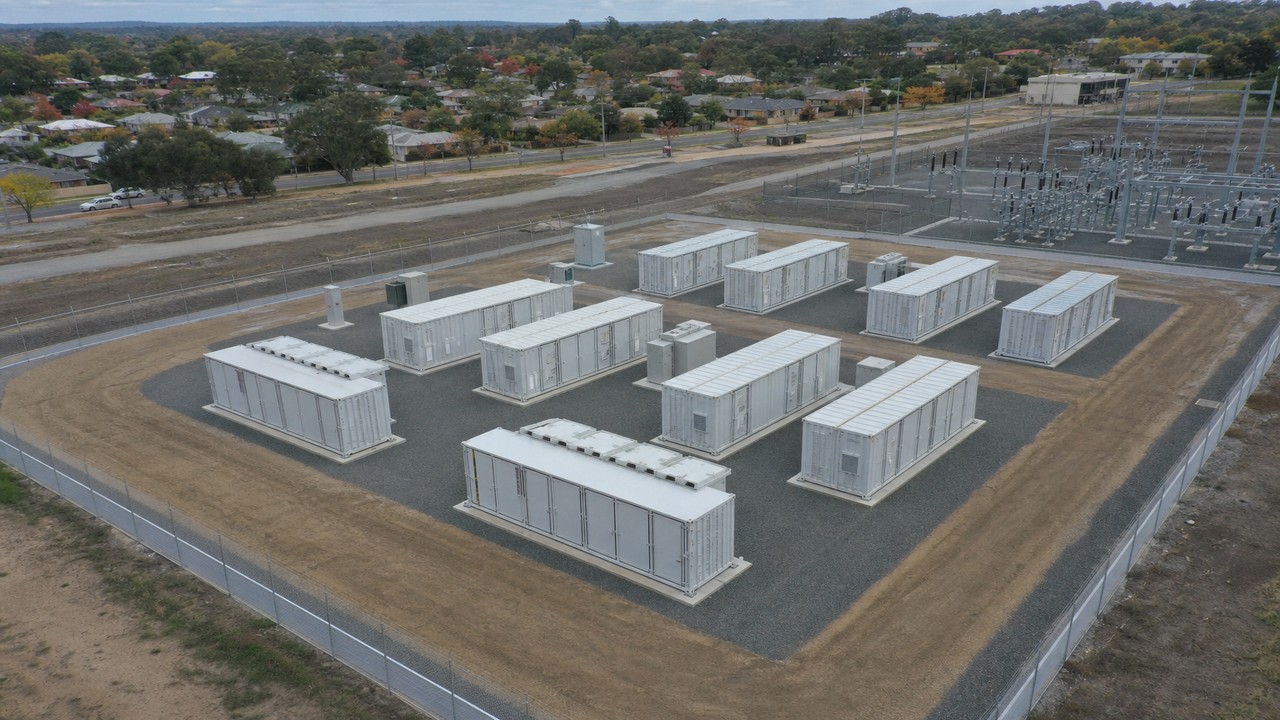
Bendigo network constraints made storage valuable for hosting relief, but council and CFA scrutiny of lithium installations was intense. Augmentation economics depended on credible availability assumptions. Hazardous materials planning and traffic routes for module delivery required council workshops.
Our approach
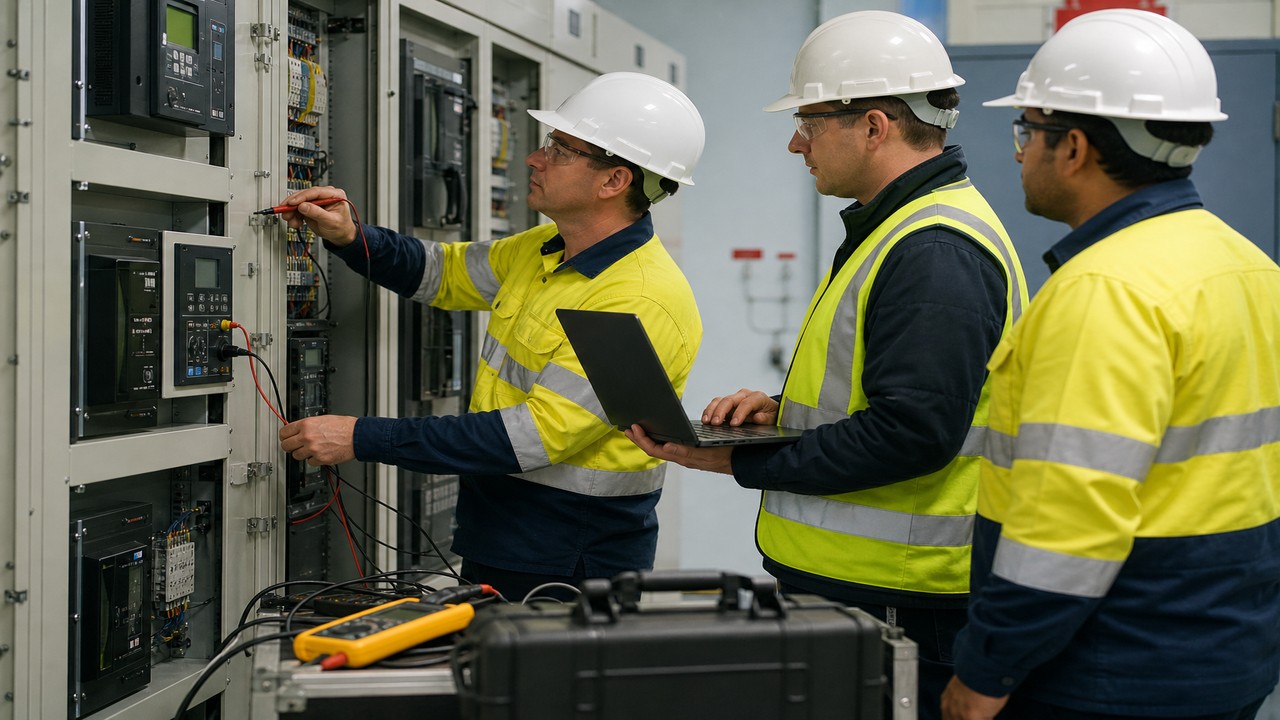
We led connection studies, fire engineering workshops and SCADA specification for market participation, documenting augmentation deferral scenarios for investors. Protection settings were witness-tested with the DNSP before market registration.
Container layout preserved appliance access lanes approved by emergency services.
Outcomes
BESS commissioned with emergency plans exercised with local services. Owners received clear operations limits and revenue sensitivities for network services and energy arbitrage. Augmentation deferral benefits are tracked against DNSP reporting with transparent assumptions.
Technical resolution detail
Fire engineering defined exclusion zones, detection interfaces and water supply assumptions accepted by emergency services. We documented thermal runaway response procedures with clear roles for owners, O&M and the DNSP.
Protection and earthing design was witness-tested before energisation; augmentation scenarios were modelled so owners understand when additional hosting investment may be required as load grows in the Bendigo distribution area.
Measured results
- 15 MW / 30 MWh operational with DNSP-approved protection settings
- Emergency exercise completed with local CFA participation
- Availability and cycle count within warranty envelopes in year one
- Augmentation deferral metrics reported quarterly to owners and the DNSP
Lessons for future distribution storage
Early CFA engagement reduced redesign of container spacing. Witness testing with the DNSP before market registration avoided revenue delays. Owners now use quarterly augmentation reporting to inform network investment conversations with genuine data rather than aspirational deferral claims.
Owner and lender perspective
Distribution BESS investors often underestimate how much revenue depends on registration, metering and availability assumptions rather than headline $/kWh spreads. We document which services are contracted versus merchant, and how curtailment or outage events are classified in quarterly reports so covenant testing does not surprise boards in the second year of operations.
For hosts considering a second tranche of storage, we recommend reusing fire and access learnings from the first site rather than copying container layouts from other states—Victorian CFA and council expectations have tightened materially since many template designs were drafted.
Project FAQ
What fire planning was required?
CFA workshops, exclusion zones, detection interfaces and exercised emergency procedures.
How was DNSP acceptance achieved?
Protection and earthing witness-tested before energisation and market registration.
What value for the network?
Augmentation deferral tracked quarterly with transparent assumptions for owners and DNSP.
Explore related work
Discuss your project
Share site or portfolio context for structured assessment.